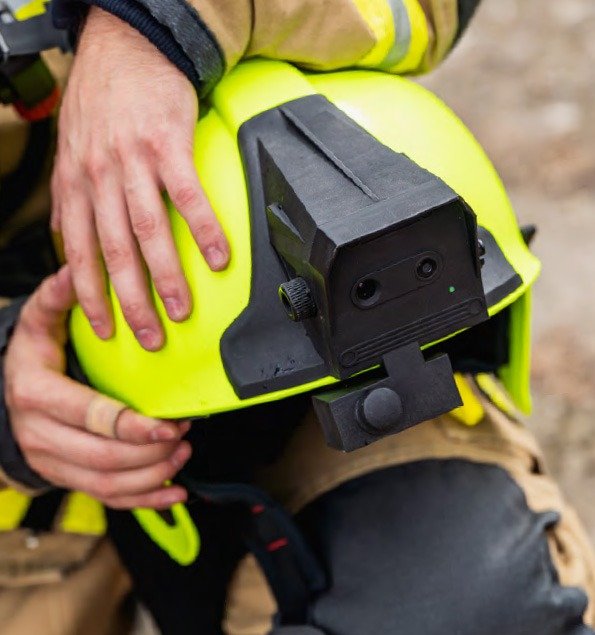
How Thermal Imaging Works:
TICs don’t rely on visible light like our eyes. Instead, they detect heat signatures and translate them into images we can understand. This allows firefighters to “see” through smoke, darkness, and even walls, revealing:
Hidden hotspots: Identify the source of the fire and potential areas of re-ignition. Victims in need: Locate trapped individuals quickly, even in zero-visibility conditions. Structural dangers: Detect weakened walls, floors, and ceilings that may pose a collapse risk. Overheated equipment: Pinpoint overheated electrical wires or machinery.
Advantages of Using TICs in Firefighting:
Enhanced Situational Awareness: TICs provide a clear picture of the fireground, even when visibility is compromised. This allows firefighters to make informed decisions and navigate safely.
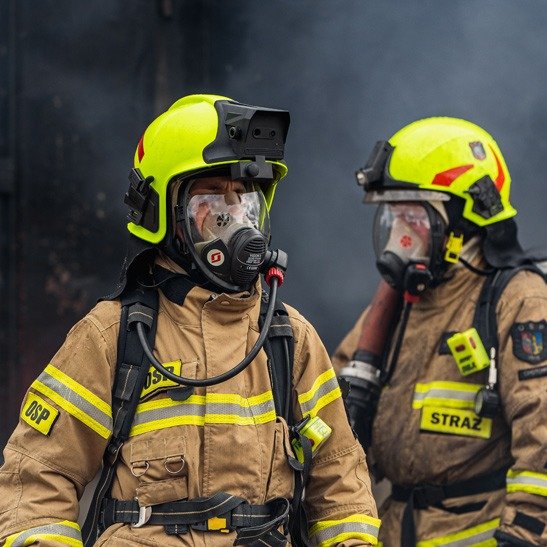
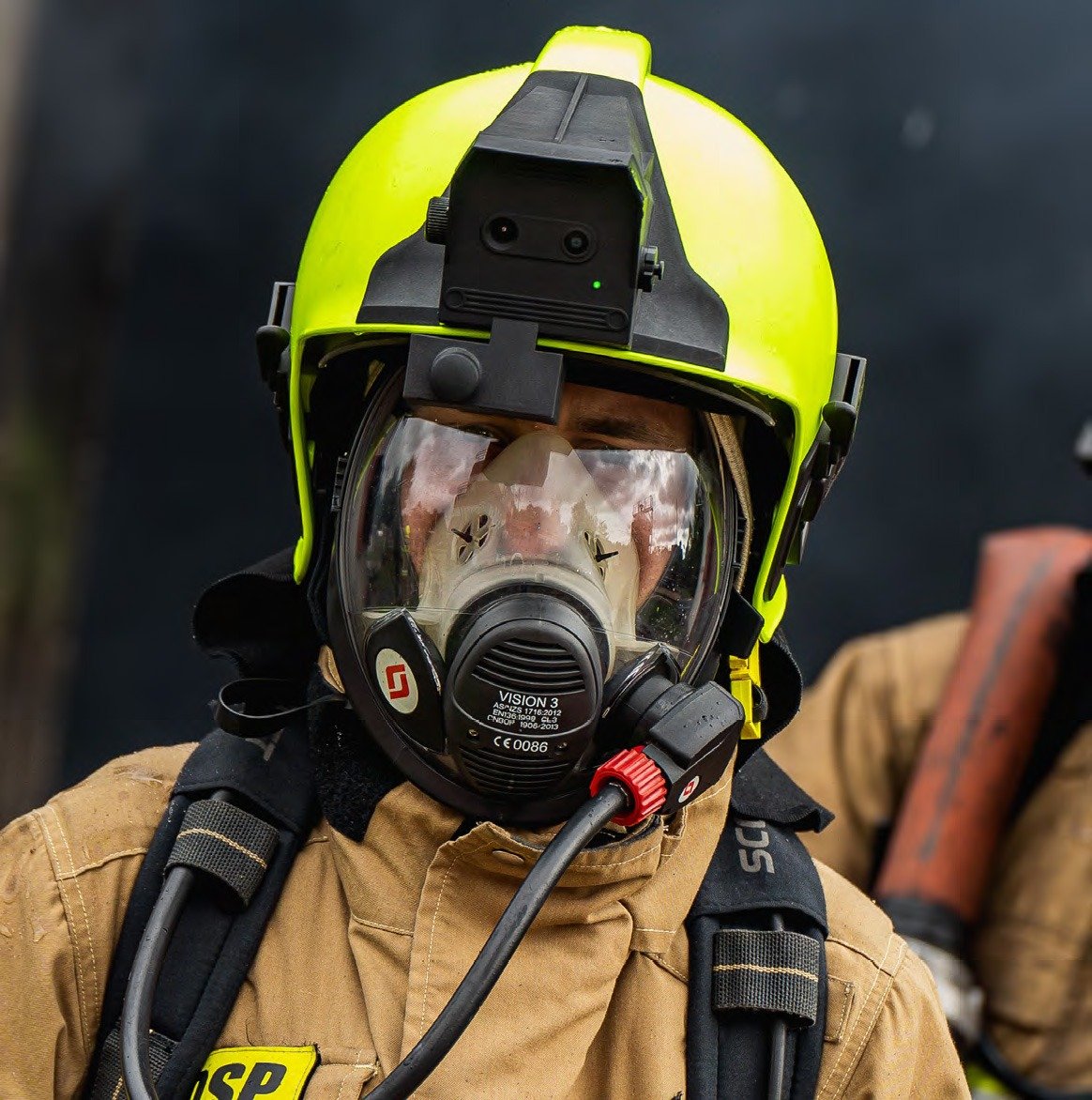
Faster Victim Rescue
Quickly locate and rescue trapped individuals, increasing their chances of survival.
Improved Fire Suppression: Identify and target the source of the fire more effectively, leading to faster extinguishment and reduced property damage.
Increased Firefighter Safety: By identifying potential hazards like structural weaknesses and hotspots, TICs help minimize risks to firefighters.
Greater Efficiency: TICs streamline search and rescue operations, improve navigation, and enable more effective firefighting strategies.
Beyond Firefighting
Thermal imaging cameras are not only beneficial in active fire situations. They also play a crucial role in:
Search and rescue operations: Locate missing persons in various environments.
Overhaul and investigation: Identify hidden hotspots and potential causes of fire.
Training and simulation: Enhance firefighter training with realistic scenarios.
Investing in thermal imaging technology is an investment in firefighter safety and operational effectiveness.